The Thrill of High Stakes
The allure of high-stakes gambling is deeply rooted in the human psyche. For many, the thrill of risking significant amounts of money creates an exhilarating experience that is hard to replicate in everyday life. This adrenaline rush is driven by the anticipation of a potential win, which can spark feelings of euphoria and a temporary escape from reality. High-stakes gamblers often report that the excitement they feel while placing large bets is among the most addictive aspects of the casino environment, especially when they explore sports betting sites as part of their gambling variety.
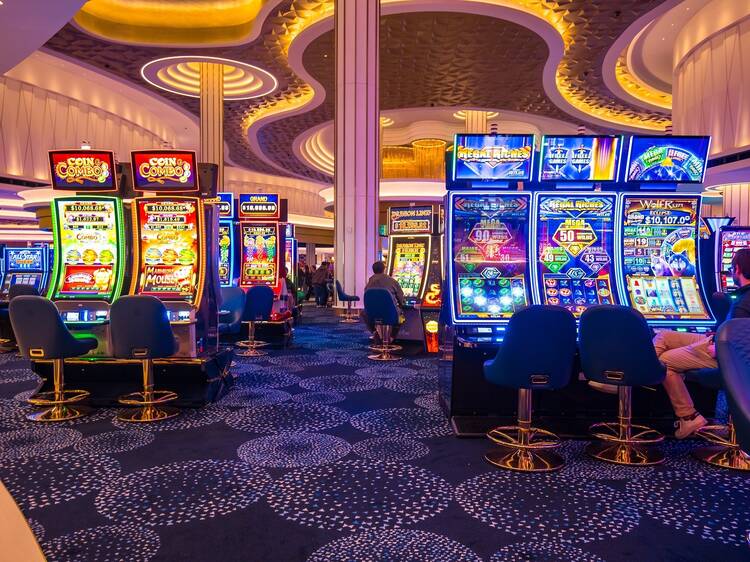
This psychological thrill is closely linked to the concept of risk-taking behaviors. Many high-stakes gamblers are drawn to the idea of challenging themselves and pushing their limits. This attraction to risk can be influenced by personality traits such as impulsivity or a high need for sensation. In essence, the stakes become a pivotal part of their identity, enhancing the overall gambling experience and often overshadowing the financial consequences involved.
The Role of Emotion in Gambling Decisions
Emotion plays a critical role in the decision-making processes of high-stakes gamblers. Positive emotions, such as excitement and hope, can lead to increased betting and risk-taking behaviors. Conversely, negative emotions like fear or anxiety may also impact gambling decisions, often driving players to chase losses or make irrational bets to regain a sense of control. The emotional landscape of high-stakes gambling creates a volatile environment where the stakes are not only financial but also deeply psychological.
Gamblers employ various emotional strategies to cope with the pressures of high-stakes environments. Some may use cognitive reframing to view losses differently, convincing themselves that luck will eventually change in their favor. Others might engage in self-soothing techniques to manage stress and maintain focus. Understanding the influence of emotions in gambling can provide valuable insights into the behavior patterns of high-stakes players and how they navigate the complexities of their choices.
Social Influences on Gambling Behavior
Social dynamics play a crucial role in the psychology of high-stakes gamblers. Many individuals are drawn to the casino not just for the games, but for the social interactions that accompany gambling. The camaraderie found at gaming tables can amplify the thrill and lead to riskier behaviors as players feed off each other’s excitement. This social environment can create a false sense of security and encourage players to take greater risks than they might when alone.
Additionally, peer pressure can significantly shape gambling behavior. High-stakes gamblers may feel compelled to maintain a certain image within their social circles, leading them to chase losses or increase bets to match their peers. The desire to appear successful or maintain status can cloud judgment, leading players to make uncharacteristic decisions that ultimately impact their financial and emotional well-being.
Mental Health and Gambling Addiction
The relationship between high-stakes gambling and mental health is a complex one. Many individuals who engage in high-stakes gambling may be attempting to escape underlying issues like depression, anxiety, or past trauma. This coping mechanism can lead to a vicious cycle of gambling addiction, where the temporary relief gained from gambling becomes increasingly outweighed by negative consequences. Understanding this relationship is essential for both gamblers and those seeking to support them.
Mental health professionals emphasize the importance of addressing underlying emotional and psychological issues when treating gambling addiction. Effective interventions often include therapy, support groups, and lifestyle changes that promote healthier coping strategies. By acknowledging and treating these deeper concerns, individuals can begin to break free from the cycle of addiction and develop a more balanced relationship with gambling.