

Digital Acceleration in Wellness: How Online Channels Changing Distribution

The health and wellness landscape is transforming rapidly as digital acceleration reshapes how consumers discover, research, and purchase products. For industry leaders, manufacturers, retailers, and potential partners, understanding how online channels are influencing distribution is essential to staying competitive in the evolving wellness market. From changing ecommerce distribution channels to new digital wellness platforms, technology is driving new opportunities for brands and distributors to connect with customers around the world.
The Growth of Health and Wellness Ecommerce
Online sales within the health and wellness industry have surged over the past decade as consumer behaviors shift toward convenience, accessibility, and personalized experiences. The rise of digital channels now plays a central role in how products are marketed and sold — not just locally but globally.
According to recent research, the global e-commerce nutritional supplements market was valued at approximately US$188.8 billion in 2025 and is projected to reach more than US$354.1 billion by 2033, growing at a strong compound annual growth rate (CAGR) of around 8.2% — largely driven by online sales channels. (Grand View Research)
At the same time, data on online vitamin and supplement sales in the U.S. shows a growing footprint: the online vitamin & supplement sales industry was estimated to be worth US$24.3 billion in 2025, with annual growth emerging as one of the fastest segments within retail wellness. (IBISWorld)
These trends reflect how health and wellness ecommerce and digital distribution in wellness are becoming central to market expansion, helping brands reach new demographics and increase repeat purchasing with subscription, direct-to-consumer (D2C), and marketplace models.

Digital Channels Are Redefining Distribution
The digital acceleration in wellness goes beyond pure ecommerce. Brands today use a mix of online platforms, social media marketplaces, mobile shopping apps, and telehealth services to engage consumers at every stage of their wellness journey.
For example:
- Marketplace sales (such as Amazon and region-specific platforms) provide convenient access to a wide array of products, often with user reviews, personalized recommendations, and targeted marketing.
- Direct-to-consumer (D2C) sites allow brands to build deeper customer relationships, gather first-party data, and drive higher lifetime value.
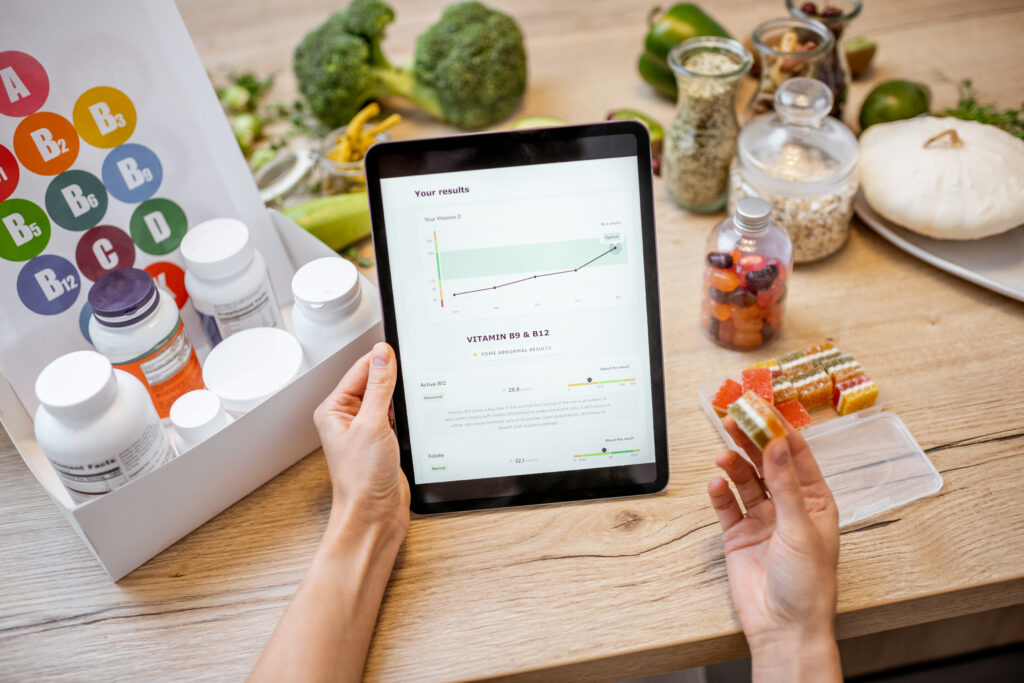
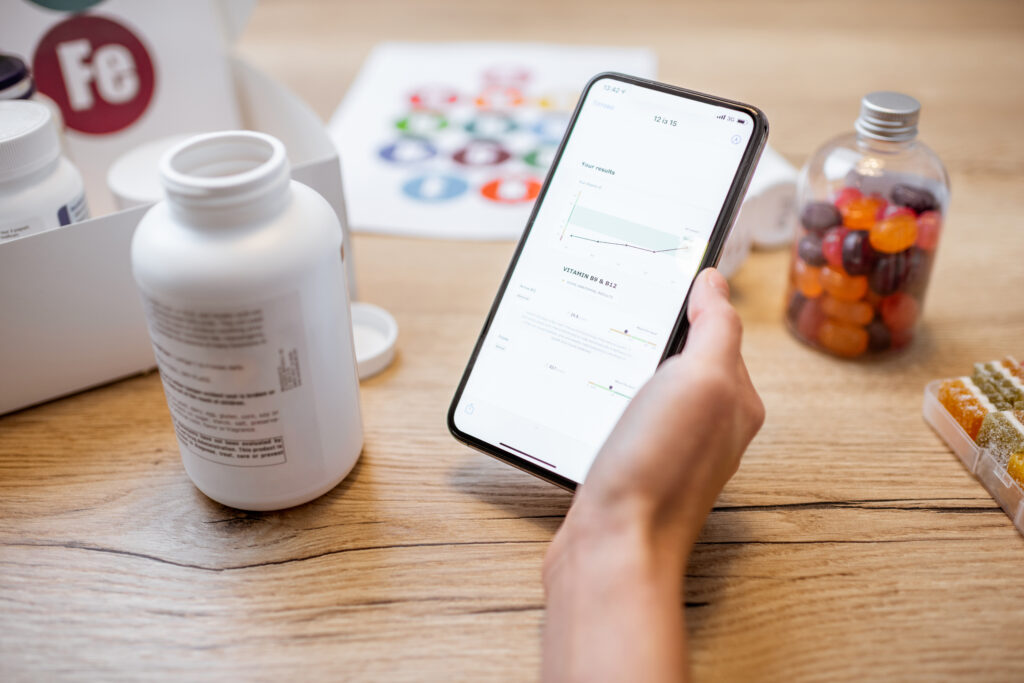
- Mobile apps and digital wellness platforms enable personalized buying experiences, subscription management, and educational content that supports consumer decision-making.
These digital pathways are reshaping how products are discovered, purchased, and re-ordered — particularly for supplements, functional foods, and preventive health products.
Ecommerce Growth Is Changing Retail Strategy
The rise of online wellness shopping has prompted retailers and brands to rethink traditional distribution strategies. Physical stores, once always primary, now integrate digital strategies to remain relevant. A blended approach that combines ecommerce, omnichannel marketing, and in-store experiences helps retailers reach consumers wherever they choose to shop. (vestian.com)
Industry insights indicate that health and wellness brands that embrace digital innovation are better positioned to:
- Expand into new regions and demographic segments
- Leverage data-driven marketing and personalization
- Introduce hybrid sales models (online + physical)
- Increase overall customer engagement and retention
This alignment with ecommerce distribution channels and digital strategies is a major factor shaping competitive advantage in the wellness market.
Consumer Behavior and Digital Demand
The pandemic accelerated digital adoption across industries, and wellness is no exception. Consumers increasingly rely on online platforms to research product benefits, compare prices, access reviews, and make purchases from the comfort of home. The convenience of ecommerce, combined with personalized digital marketing, has created high expectations for seamless online experiences in the health sector.
Digital channels also support new product categories and innovations — from wellness bundles and subscription boxes to ingredient-specific supplements — enabling retailers to customize their offerings for specific needs and lifestyles.
What This Means for Distributors and Retailers
For manufacturers, retailers, and potential partners evaluating market expansion opportunities, the digital acceleration in wellness presents both challenges and opportunities:
- Global reach: Digital channels remove geographic barriers, allowing brands to enter new markets with lower physical distribution costs.
- Enhanced discovery: Online search, social commerce, and digital marketplaces increase product visibility and brand awareness.
- Data insights: Ecommerce platforms provide valuable analytics on consumer behavior, purchasing patterns, and product affinities that support smarter merchandising.
- Scalable growth: Digital distribution enables retailers to scale rapidly, test new products, and optimize pricing strategies based on real-time feedback.
In short, the shift to online supplements sales and health ecommerce is a strategic evolution — one that can drive long-term value and growth for businesses willing to integrate digital channels into their distribution architecture.

References
- Grand View Research. E-commerce – Nutritional Supplements Market Statistics. Data for global e-commerce supplement market size and growth. (Grand View Research)
- IBISWorld. Online Vitamin & Supplement Sales in the U.S. Industry size and growth estimates. (IBISWorld)
- Vestian. The E-Commerce Effect on Physical Health & Wellness Stores. Discussion of how ecommerce is reshaping retail and hybrid strategies. (vestian.com)